
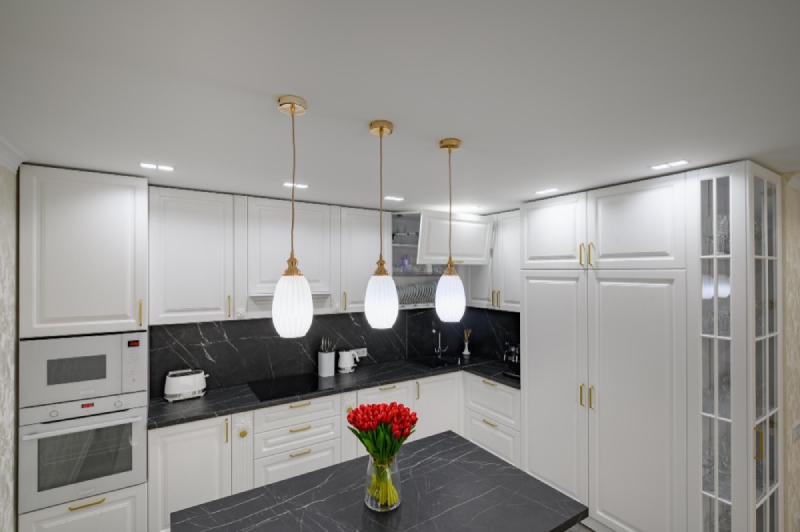
Lights make a significant difference in your home’s appearance and feel. Proper lighting can make a room feel warm, bright, calm, or welcoming. Even a beautiful room looks unattractive or uncomfortable with the wrong lighting. That’s why taking the time to learn how to select the right lighting for your home truly matters.
Most homeowners are interested in furniture, wall colour, and decorations, but they overlook lighting. As a matter of fact, lighting influences mood, comfort, and ease of utilizing a space. Because every room in your home is used differently, each space needs a lighting plan tailored to its purpose.
This room-by-room guide will help you easily choose lighting for your home. You will learn how to choose kitchen lighting, bathroom lighting, living room lighting, and dining room lighting, among others. By the end, you’ll be equipped to make the right lighting choices for your home.
Understanding the Basics of Home Lighting
Understanding the fundamentals of light fixture selection is an important first step before reviewing each room. Lighting does not only involve brightness; it is about balance. There are three types of lighting used in most homes.
The primary light in a room is the ambient lighting. It illuminates the entire space and makes it easier to see. Specific activities such as cooking, reading, or grooming are done by using task lighting. Accent lighting is stylish and emphasizes design elements such as artwork or a shelf.
The idea behind selecting lighting for your home is to combine these types effectively. Light colour is something you should also consider. Warm light is comfortable and relaxing, whereas cool light is bright and uplifting. Most people feel at home with both.
The height of the ceiling, the size of the room, and natural light are important as well. For example, a small room may require only a single fixture, whereas a large room may require multiple light sources. Selecting ceiling lights that suit the room makes the room look harmonious and comfortable.
How to Choose Lighting for Your Living Room
People unwind, watch TV and have fun in the living room. As a result, lighting must be flexible. To select lighting for your living room, prioritize comfort.
Using a main ceiling light or a recessed light provides overall brightness. This makes the room look open and inviting. When the ceiling is high, a chandelier or pendant lamp can add style and fill the space.
It is recommended to install dimmers to help create a calm, comfortable atmosphere. Floor lamps or table lamps are used to create a peaceful atmosphere in the evening. They also reduce eye strain when watching television or discussing with visitors.
The use of accent lights can add interest to a living room. Lamps beside artwork, shelves, or plants are depth adders and warmers. Dimmer switches can be useful in the living room when selecting lights in your home. They also allow you to control brightness according to the time of day or activity.
Living room lighting should be natural and comfortable, offering enough brightness for relaxation without overpowering the space.
How to Choose Kitchen Lighting
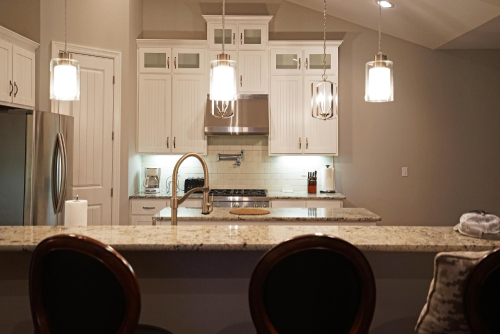
One of the most significant rooms in the house is the kitchen. It’s a multifunctional space used for cooking, eating, and gathering. That is why it is necessary to know how to select the right type of lighting for the kitchen.
The lighting in the kitchen must be bright and practical. Begin with powerful overhead lighting to brighten up the entire room. This may be recessed lights or ceiling fixtures that are spaced evenly across the space.
In kitchens, task lighting is essential. Countertops, sinks, and stoves are some areas that require additional light to enable you to work safely. Under-cabinet lighting is one of the most popular since it illuminates surfaces without shadows.
When choosing kitchen lighting, style is a key consideration. Pendant lights in the middle of an island or dining table add visual appeal and attention to detail. Depending on the design, they can turn the kitchen into a modern or cozy space.
Light colour matters here. Neutral or cool white light is optimal as it makes food visible. When selecting ceiling lights for the kitchen, ensure they are easy to clean and designed for busy areas.
How to Choose Lighting for the Dining Room
The dining room is where meals and discussions are held. Learning how to choose lighting for dining rooms helps create a cozy, welcoming environment.
In most dining rooms, a single light is placed over the table. A chandelier or pendant light works well because it draws attention to the table and creates a clear focal point. The fixture should hang low enough to create an intimate, personal feel, while still being high enough not to obstruct views or movement.
It should not be as bright as kitchen lights. Warm light contributes to a relaxing and enjoyable mealtime experience. Dimmer switches are highly useful here, as they let you adjust the lighting during everyday meals or special events.
If the dining room is large, wall sconces or lamps can help create balance. Choosing light fixtures that are appropriate for the table size will ensure the room does not appear unplanned.2
Dining room lighting should prioritize ambiance over practicality when selecting fixtures.
How to Choose Bathroom Lighting
Lights in the bathrooms should be functional and attractive. It is important to know how to choose bathroom lighting to make everyday routines easier and safer.
Begin with good overhead lighting to light up the room. This is useful in cleaning and general use. The most used options are ceiling lights or recessed lights.
Mirror lighting is also important. The presence of lights on both sides of the mirror minimizes shadows on the face. This simplifies grooming, shaving and applying make-up. It is essential to select bright but less harsh bathroom lighting.
The colour of the light should be neutral or slightly cool to make the colours look natural. Reflections are distorted by very warm light and uncomfortable by very cool light.
Safety is especially important in bathrooms. Because these are wet areas, fixtures should be designed to withstand moisture and prevent damage. When selecting bathroom lighting, be sure to choose fittings that are moisture-rated.
Choosing bathroom lighting enhances comfort and gives the bathroom a fresh look.
How to Choose Lighting for Bedrooms
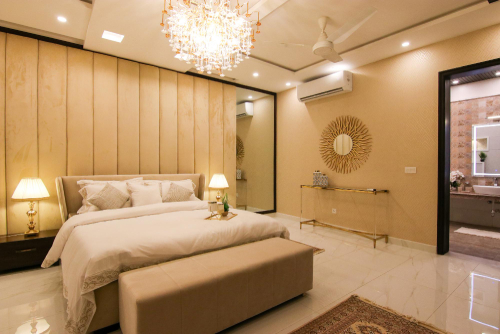
Bedrooms are areas of rest and relaxation. Selecting the appropriate lights for your house means ensuring bedrooms are relaxing and serene.
Begin with a low ambient light from a ceiling lamp or recessed lights. The light should be soft, not very intense. Warm light works best here.
Reading can be assisted by task lighting around the bed. You can read using table lamps or wall lights without turning on the entire room. This comes in handy, particularly when you share the room.
The accent light may create a warm effect. Small lamps, LED strips, or low-key wall lights can help make the evening more relaxing.
Avoid very bright or harsh designs when choosing ceiling lights for the bedroom. It is not about making it bright; it is about making it comfortable.
How to Choose Lighting for Hallways and Entryways
Entryways and hallways are not given much consideration, yet they matter. These spaces help people navigate through your house and form first impressions.
Entrances must be light enough to be inviting. A pendant light or a ceiling light is effective. When the ceiling is high, a bigger light will be decorative and occupy the space.
Hallways should be well-lit to make them open and safe. Recessed lights or flush-mounted ceiling lights are popular. Wall lights can also add interest without occupying space.
These spaces are chosen as part of your home lighting since proper lighting makes the entire house look connected.
How to Choose Lighting for Home Offices
Home offices require lighting that will assist you in concentrating. Choosing the right lighting for your home office reduces eye strain and improves productivity.
Begin by using bright light in the room. Natural light is desirable, yet it must not be reflected on screens. A light on the ceiling offers continuous illumination.
Desk lighting is significant. A desk lamp allows you to concentrate the light where it is most needed. The ideal solution is adjustable lamps.
The colour of light used should be neutral or slightly cool to keep you awake. Do not use very warm lights, which can make you feel sleepy.
Matching Lighting Style with Your Home
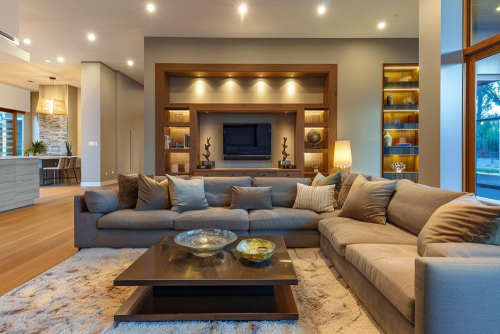
Choosing light fixtures does not only depend on functionality. Style matters too. The lights ought to complement your home design, be it modern, traditional, or a combination of both.
Simple fixtures are suitable in contemporary homes, whereas decorative fixtures are common in traditional areas. The combination of styles can be very interesting, but the variety of styles can be overwhelming.
Choosing ceiling lights that blend with the other lighting will help create a seamless look for the house.
Energy Efficiency and Smart Lighting
The decision to use lights in your home will include consideration of energy consumption. LED bulbs are longer-lasting and use less electricity than older bulbs. They are cost-effective and more environmentally friendly.
Smart lighting systems allow you to regulate brightness and colour using your cell phone or voice. These systems bring comfort and help you consume less power.
Energy-efficient lighting is a wise long-term investment when selecting lighting for your home.
Common Lighting Mistakes to Avoid
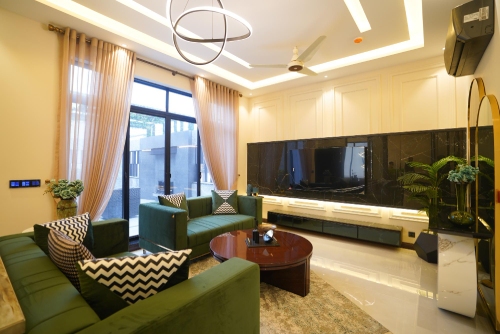
A common error is having a single source of light in the room. This casts shadows and makes the space appear flat. The combination of various lighting styles creates balance.
Another error is selecting either excessively bright or excessively dark lights. Different rooms have different needs, and lighting must be adjusted to the space’s purpose.
Other missed opportunities include ignoring dimmer switches. Dimmers are flexible and comfortable in nearly all rooms.
Conclusion: Choosing the Right Lighting for Your Home
Knowing how to choose lighting for your home is a huge step toward comfort, style, and functionality. Each room is unique and should have its own lighting based on how it will be used. In matters of safety and work, bathroom lighting, and daily routine, each choice counts.
Learning how to choose lighting for living rooms, dining rooms, bedrooms, and hallways can make your home more comfortable and well-designed. When it comes to lighting your home, the choice of lighting does not rely on the cost of the fixtures you buy. It involves planning, balance and considered decisions.
If you need assistance choosing lights for your home or expert guidance on the best lighting options, Sandiparks Electrical is here to help. Contact us today to discuss your lighting needs and find solutions that match your style, budget, and lifestyle. Together, we can design lighting that makes your home a comfortable, beautiful, and personal space.