
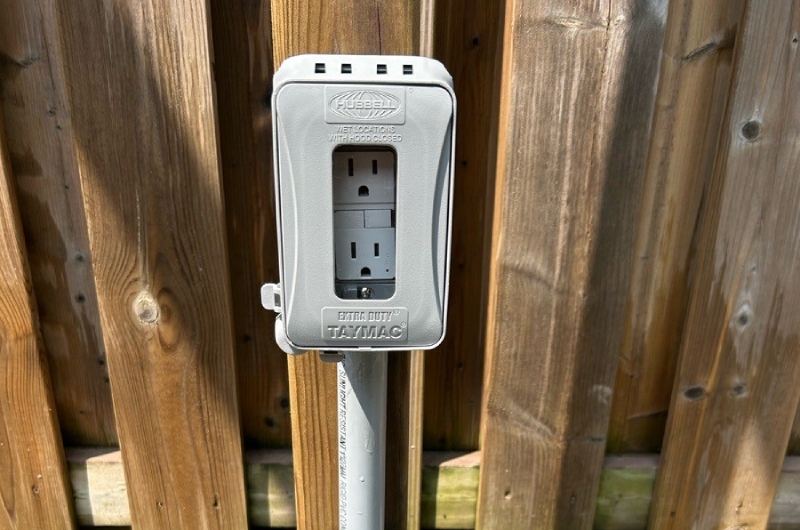
GFCI vs AFCI protection addresses two different electrical hazards in your home. A GFCI responds to current leaking to ground, which can create a shock risk, while an AFCI detects dangerous arcing that can start a fire. Ontario rules require each type in different locations and situations.
KEY TAKEAWAYS
- GFCIs are designed for shock protection, while AFCIs are designed for dangerous arcing and fire prevention.
- Ontario requires GFCI protection in specific wet or outdoor locations, while AFCI rules apply broadly to many dwelling-unit receptacle circuits.
- Breaker and receptacle versions can provide protection in different ways, so device location matters for what is protected.
- Repeated tripping should be treated as a safety signal until the cause is identified, not as a reason to bypass the device.
- GFCI devices should be tested monthly, or as directed by the manufacturer, to confirm the trip function still works.
Ground Faults and Arc Faults Are Different Hazards
GFCI vs AFCI starts with the hazard each device is designed to detect. A ground fault is unintended current leaving its normal path, while an arc fault is unwanted electrical arcing caused by damaged or compromised conductors and connections.
A GFCI, or ground fault circuit interrupter, compares the current flowing out on the ungrounded conductor with the current returning on the neutral. If enough current takes another path, the device trips quickly. That missing current can be flowing through moisture, damaged equipment, or a person.
An AFCI, or arc fault circuit interrupter, detects electrical signatures associated with dangerous arcing. Current Ontario guidance requires combination-type AFCI protection in situations covered by the Code. Combination-type means the device detects both series and parallel arcing. It does not mean the breaker automatically includes GFCI protection.
- Ground fault: current leaks from the intended circuit path, creating a potential shock hazard.
- Arc fault: current jumps across a damaged or loose connection, generating enough heat to ignite nearby material.
- Short circuit or overload: a different condition handled by the normal overcurrent function of a breaker.
That distinction matters because one device is not a substitute for the other. Some circuits need only one type. Some need both. The correct choice depends on the circuit, location, equipment, and current Ontario Electrical Safety Code requirements.
Sandiparks offers dedicated GFCI and AFCI protection services for homeowners who need new protection, replacement devices, or help understanding an existing installation.
Where Each Type of Protection Is Required in a Home
Ontario places GFCI and AFCI protection where the related hazard is most likely to pose a risk. The exact rule depends on the receptacle, circuit, location, and whether the work is new, replaced, or altered.
For GFCI protection, current ESA guidance requires Class A GFCI protection for 5-15R and 5-20R receptacles within 1.5 metres of sinks, bathtubs, or shower stalls. Outdoor 5-15R and 5-20R receptacles within 2.5 metres of finished grade also require Class A GFCI protection. Other specialized locations, including pools, have their own rules.
AFCI requirements apply broadly to receptacle circuits in dwelling units, with specific exemptions under Rule 26-658. ESA confirms that a branch circuit containing both lighting and receptacle outlets requires AFCI protection unless an exemption applies. Dedicated microwave, dishwasher, and garbage disposal receptacles also require AFCI protection unless specifically exempted.
Older homes require a scope-specific answer. The Code does not automatically require every untouched existing circuit to be retrofitted when a panel is replaced. However, replacing branch wiring, adding receptacles, or creating new branch circuits can trigger current AFCI requirements for the work being changed.
That is why room labels alone are not enough. A bathroom receptacle, kitchen circuit, basement receptacle, outdoor outlet, and mixed lighting-receptacle circuit can each have different requirements. A Licensed Electrical Contractor should assess the actual circuit before changing protection.
Breaker Versus Receptacle Protection
Breaker versus receptacle protection changes where the protective device is located and how much of the circuit it can cover. Both formats can be useful when they are permitted, approved, and installed correctly.
A GFCI breaker sits in the electrical panel and can protect the branch circuit from the panel onward. A GFCI receptacle is installed at an outlet. When its load terminals are used correctly, it can protect receptacles downstream from that point. The wiring ahead of that receptacle is not protected by it.
For AFCI protection, the OESC generally uses combination-type AFCI protection. ESA also permits outlet branch circuit-type AFCI devices in specified installations. When that approach is used, the device must be installed at the first outlet, and the wiring preceding it must meet the specified protected wiring method, unless another ESA alteration rule applies.
Dual-function breakers are another option for compatible equipment. A true dual-function device combines combination AFCI protection with Class A ground-fault protection. A breaker marked only as combination AFCI does not provide the same personnel-level ground-fault protection as a GFCI.
If your panel is crowded, outdated, or does not accept the required device, consider Sandiparks breaker and fuse replacement services. The right fix depends on the panel and the circuit, not just the label on the old breaker.
Nuisance Tripping and What Actually Causes It
Nuisance tripping is a common term, but a trip is only considered nuisance after the electrical cause has been ruled out. GFCI and AFCI devices are designed to open the circuit when they detect unsafe conditions.
A GFCI can trip due to moisture, leakage in a connected appliance, damaged insulation, incorrect neutral connections, downstream wiring problems, or a failing device. Nothing plugged into the visible receptacle proves that nothing is connected downstream. The same GFCI may protect other outlets or fixed equipment farther along the circuit.
An AFCI can trip due to damaged cords, loose connections, compromised wiring, an actual series or parallel arc, or wiring errors. Some equipment can also generate electrical noise that complicates troubleshooting. The answer is still to identify the source, not to replace the breaker with ordinary protection to make the symptom disappear.
- Do not hold the reset button, defeat a trip mechanism, or replace a protective breaker with a standard breaker simply to prevent tripping.
- Unplug portable loads where it is safe to do so, reset once, and note what was running when the trip occurred.
- If the device will not reset, trips repeatedly, becomes hot, smells burnt, or shows damage, stop using the circuit and have it assessed.
For repeated trips or an unclear fault, Sandiparks offers electrical inspections and troubleshooting. The goal is to find why the protection is operating before deciding what to replace.
Testing Your Protection Devices
Testing your protective devices confirms that the built-in trip mechanism still responds. A device can look normal yet still fail its test, so visual inspection alone is not enough.
ESA recommends that homeowners test GFCI outlets monthly, or according to the manufacturer’s instructions. Press the TEST button and confirm that power to the protected receptacle turns off. Then press RESET to restore power. If power remains on after TEST, or the device will not reset correctly, treat it as defective and have it replaced.
AFCI breakers also have test buttons. Follow the manufacturer’s instructions for the specific breaker and panel. A failed self-test, a test button that does not trip the breaker, or recurring unexplained trips should be inspected by a Licensed Electrical Contractor.
Testing is not a substitute for repair. It only confirms whether the device responds to its internal self-test. If your home has damaged receptacles, loose connections, outdated wiring, or repeated trips, those conditions still require separate attention.
If you are unsure what protection is currently installed, request an appointment with Sandiparks. We can review the circuit, explain what the existing devices do, and provide a quote for any required correction before work begins.
Conclusion
GFCI and AFCI protection address different safety issues, and Ontario requires them in different situations. The practical question is not which device is better. It is whether the right protection is installed on the right circuit and still works when tested. That aligns with Sandiparks Electrical’s approach: safety without compromise and honest trades done right. If you have repeated trips, an older panel, or questions about existing protection, request a quote and get a clear answer for your home.
Frequently Asked Questions
Can one device provide both GFCI and AFCI protection?
Yes. A true dual-function circuit breaker can integrate AFCI protection with Class A GFCI protection in a single approved device. The breaker must be compatible with the panel and suitable for the circuit. Do not confuse a combination-type AFCI with a dual-function breaker. “Combination” in an AFCI refers to series and parallel arc detection, not GFCI protection.
Why does my GFCI keep tripping with nothing plugged in?
A GFCI can trip even when the visible outlet is empty because it may protect downstream receptacles or fixed equipment. Moisture, leakage current, damaged wiring, an incorrect neutral connection, or a worn GFCI can also cause trips. If it trips repeatedly after a single reset, have a professional diagnose the circuit instead of bypassing the device.
Are AFCI breakers required in older homes?
Not simply because the home is old. ESA states that replacing or upgrading a panel does not automatically require AFCI protection on untouched existing branch circuits. New branch wiring, replacement wiring, or added receptacles can trigger current AFCI requirements for the altered work. The exact answer depends on which part of the circuit is being changed.
How often should GFCI outlets be tested?
ESA recommends testing GFCI outlets monthly, or according to the manufacturer’s instructions. Press TEST and confirm the protected outlet loses power, then press RESET. If power remains on after TEST, or the device will not reset correctly, the GFCI should be treated as defective and replaced by a qualified electrical contractor.
Have a project like this in mind?
Get a written quote from a licensed Master Electrician in London, Ontario. Learn more about our electrical inspections.