
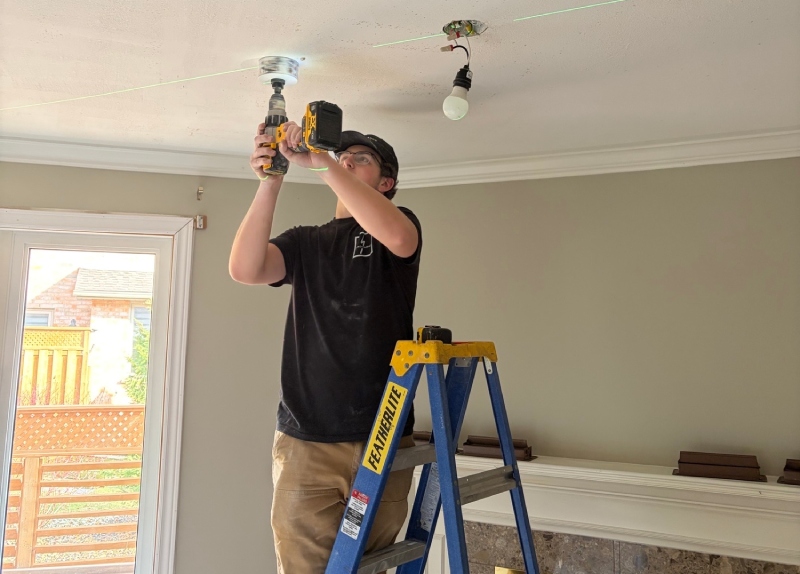
Key Takeaways:
- ESA inspections are required when a renovation involves changes to wiring, circuits, panels, or other electrical components, and Sandiparks Electrical handles the permit and inspection process on the homeowner’s behalf.
- Understanding when an ESA inspection is required can help you avoid delays, failed inspections, and added costs.
- A good ESA inspection checklist should cover permits, wiring changes, panel capacity, and final testing.
- A licensed electrician can help you prepare for an ESA electrical inspection and keep your renovation code-compliant.
- Using an electrical safety inspection checklist early can reduce mistakes and keep your project on track.
You can have a renovation that will make your home both look and perform better; however, the electrical work is just as vital as the finishes. The addition of new lights, outlets, and panels, and the rewiring, can all impact safety and code compliance. This is why most homeowners inquire about ESA inspections when undertaking renovation projects.
Failure to follow proper procedures can lead to delays, additional expenses, and work needing to be reopened and corrected. This guide explains what an ESA inspection is, when it is required, and what homeowners should know before work begins. You will also learn how Sandiparks Electrical manages permits, inspections, and final approvals to ensure the project is completed safely and in full compliance.
What Is an ESA Inspection and Why Does It Matter?
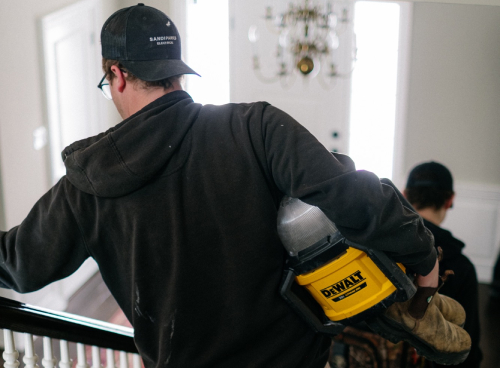
ESA stands for the Electrical Safety Authority, the organization responsible for enforcing electrical safety standards in Ontario. ESA permits, and inspections are required to ensure all electrical work meets provincial safety codes and reduces risks such as electrical fires, shocks, and system failures.
For homeowners, this process is not something they need to manage. When working with Sandiparks Electrical, all ESA permits, scheduling, and inspections are handled directly by the licensed electrician. This ensures the work is fully compliant without adding stress or administrative responsibility for the homeowner.
ESA home inspections are typically required when electrical changes are made in kitchens, bathrooms, basements, or older homes. These inspections help ensure the work completed by a licensed contractor like Sandiparks Electrical is safe, compliant, and suitable for long-term use.
When Is ESA Inspection Required During a Renovation?
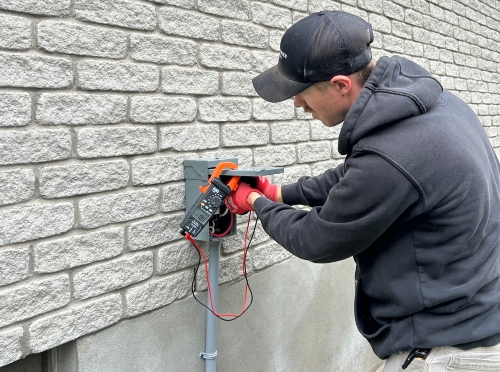
Among the frequently asked questions by homeowners is when an ESA inspection is necessary. Generally, an inspection is required when renovation work has added to, altered, or substituted sections of the electrical system.
A typical example is the remodelling of a kitchen. The electrical layout may be altered by new lights, outlets or new appliances that require dedicated circuits. This is also true for bathrooms and completed basements, where additional receptacles, lighting, and new wiring are frequently added.
Panel upgrades—such as replacing an old panel, increasing capacity, or updating breakers—require an ESA inspection, just like any electrical work that involves adding to or altering a system. The same applies when rewiring older homes, where existing wiring is replaced or extended. These inspections ensure all work completed by Sandiparks Electrical meets safety standards and code requirements.
What Happens Before an ESA Inspection?
Electrical work doesn’t start with a homeowner inspection checklist—it starts with a licensed contractor managing the process from day one. When you work with Sandiparks Electrical, all ESA requirements are handled for you to ensure the project runs smoothly and meets code.
Before any installation begins, Sandiparks Electrical defines the full scope of work, whether it involves adding lighting, relocating outlets, upgrading a panel, or rewiring part of the home. At the same time, the existing electrical system is professionally assessed to identify any limitations, safety concerns, or upgrades needed to support the planned work.
From there, Sandiparks Electrical takes care of ESA notification (permit), circuit and load planning, and scheduling inspections at the appropriate stages of the project. This includes coordinating both the rough-in inspection—which takes place before walls are closed—and the final inspection, where the completed work is reviewed and approved.
By managing every step, Sandiparks Electrical ensures your project stays compliant, avoids delays, and is completed safely without requiring homeowners to navigate the inspection process themselves.
What Is the Checklist for Electrical Panel Inspection?
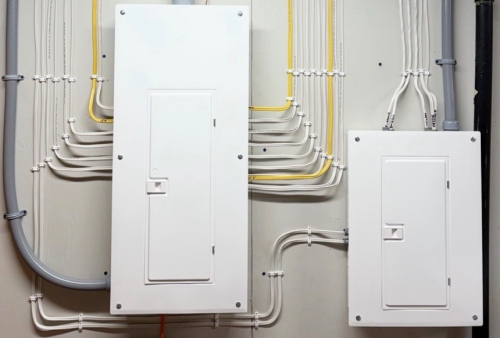
A checklist for electrical panel inspection should focus on safety, capacity, labelling, and code compliance. Since the panel controls electricity throughout the home, panel issues can affect the whole renovation.
First, the panel should be able to meet the home’s requirements. The renovation is likely to introduce demand with new appliances, additional lighting, or increased living space. When the panel is too small or filled up, one might upgrade it.
Second, it is important to consider the panel’s physical condition. Damage, corrosion, or overheating are indications of underlying difficulties. Breakers, grounding, and bonding should also be adequate. Lastly, the panel must be well labelled and accessible.
A thorough electrical panel inspection is carried out by a licensed electrician, such as Sandiparks Electrical. This includes:
- panel amperage and available space
- condition of breakers and wiring connections
- signs of overheating or damage
- grounding and bonding checks
- proper circuit labelling
How Is an Electrical Safety Inspection Handled?
An electrical safety inspection is easier to prepare when the work has been well organized beforehand. The purpose is to ensure that work has been completed, is visible where needed, and is ready for review.
Homeowners do not need to carry out or verify electrical work before an ESA inspection. When working with Sandiparks Electrical, all installations, such as new outlets, lighting, dedicated circuits, or panel upgrades, are completed to the approved project scope and brought to inspection-ready condition by the licensed team.
Access is, however, an important consideration for scheduling. The inspector must be able to safely access the electrical panel and any required work areas, so Sandiparks Electrical ensures these areas are properly prepared in advance. If wiring needs to be reviewed before walls are closed, this is also coordinated during the rough-in stage.
Why Working with the Right Electrician Matters
Not every renovation issue is obvious to a homeowner. That is why working with a licensed electrician matters. A professional can identify risks early, plan the work correctly, and help you avoid problems that slow down the renovation.
This is especially important if you are searching for “an electrical safety inspection near me” because local experience can help with faster troubleshooting and better coordination with contractors. Sandiparks Electrical provides residential electrical services, renovation wiring, panel upgrades, construction support, and emergency service across Southwestern Ontario.
Conclusion
Electrical work during a renovation should not be treated as an afterthought. Understanding the purpose of an ESA inspection helps homeowners know what to expect when working with a licensed electrical company such as Sandiparks Electrical, including how the process is managed from installation through to final approval. This also helps ensure projects like rewiring, panel upgrades, basement finishing, or new kitchen lighting are completed smoothly, safely, and without unnecessary delays or rework.
A good ESA inspection checklist and a realistic electrical safety process are handled by a licensed electrical contractor, including ensuring that all required permits and ESA notifications are properly obtained before work begins. This helps keep the project compliant and avoids delays or issues during inspection. Understanding key elements such as panel capacity, circuit requirements, and rough-in timing also supports a smoother installation process, protects your investment, and ensures the work is completed safely and to code.
Sandiparks Electrical is a residential electrical company that offers services in renovation wiring, upgrades, panel work, and construction assistance, as well as 24/7 emergency services in Southwestern Ontario.
Need help with renovation wiring or preparing for an inspection? Contact us today for safe, code-compliant electrical work and dependable service.
FAQs
What is an ESA inspection?
This is a common question during renovations. An ESA inspection is a safety review of electrical work to help confirm it meets code requirements and is safe for use in the home.
When is an ESA inspection required?
An ESA inspection is usually required when electrical work is introduced, modified, substituted, or enhanced, particularly by new wiring, circuits or panel work.
What does an ESA electrical inspection include?
An ESA electrical inspection can include examination of wiring, breakers, grounding, bonding, the condition of the panel, the circuit layout, and compliance with code and safety requirements for the completed work.
Can new homes need electrical safety inspections too?
Yes. It is not only older homes that are subject to electrical safety inspections. A new house may also require inspection if there is a renovation that adds circuits, changes the panel, installs new fixtures, or alters the wiring.
How do I find an electrical safety inspection near me?
When searching for “an electrical safety inspection near me,” the first step is to contact a licensed local electrician who handles residential renovations, panel upgrades, rewiring, and code-compliant electrical work. In Ontario, this also includes ensuring that the required ESA notification is filed and that a Certificate of Acceptance from the Electrical Safety Authority (ESA) is issued upon completion of the work. This confirms that the electrical work has been inspected and meets safety standards.