
Key Takeaways:
- EV charger installation should begin with a load assessment, safe location planning, and code-compliant wiring.
- Before installing an EV charger at your home, Sandiparks Electrical will assess your electrical panel to ensure it has enough capacity for the added demand.
- Comparing Level 1 and Level 2 charging setups for Ontario homes helps you choose the right speed and convenience.
- Many homeowners ask, “Do I need an ESA permit for an EV charger in Ontario?” A licensed electrician from Sandiparks can guide you through the right process.
- Reviewing an EV charger safety checklist with your electrician helps identify potential overload risks, placement concerns, and issues that could lead to avoidable repair costs.
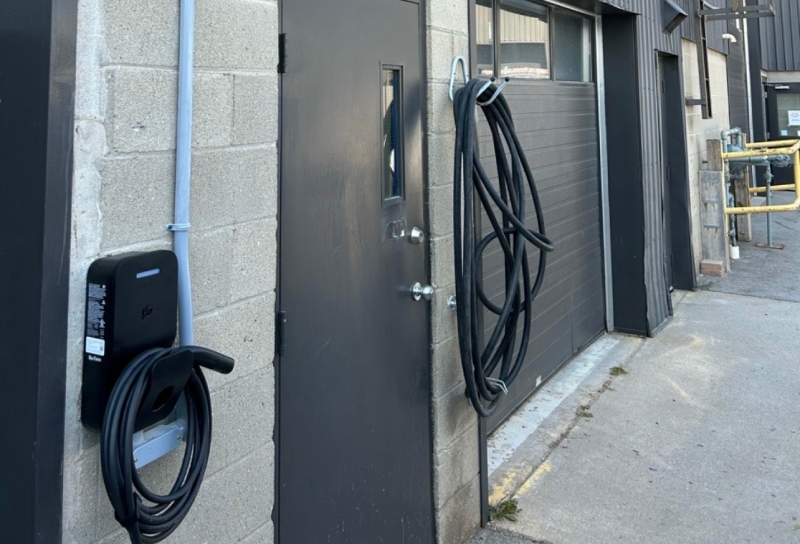
Home charging is becoming a way of life, and more Ontario homeowners are moving to electric cars. However, the process of charging at home is not always as easy as purchasing a unit and plugging it in. The charger type, panel capacity, wiring path, and parking system are important. Sandiparks Electrical can help to walk you through the selection process and source the right EV for your needs.
This is why the installation of EV chargers should be considered at the earliest stage. A professional installation ensures safe charging speeds, prevents overloaded circuits, and helps avoid unnecessary costs down the line. In this guide, you will learn what factors influence the cost of EV charger installation, whether you might need to upgrade your panel, and how to select a safe and convenient system for your Ontario home—with installation handled by a licensed team like Sandiparks Electrical.
What Is Involved in EV Charger Installation?
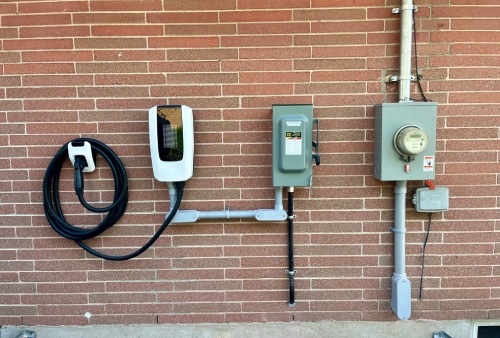
Installing a professional EV charger does not simply entail the placement of a charger on the wall. Sandiparks Electrical will review the location where the vehicle will park, the distance between the charger and the electrical panel, whether the panel is capable of carrying the additional load, and the type of breaker and wiring to be used.
At Sandiparks Electrical, we install Level 2 and commercial-grade EV chargers and handle everything from load assessment to final installation. Homeowners get a complete, code-compliant solution delivered safely and professionally from start to finish.
An assessment is the first step. This assists in identifying the most appropriate place to install the charger, the safest route for installing the wiring, and the capability of your existing electrical system to support the charger. In most homes, the work consists of a special circuit, the correct breaker, charger mounting, wiring, testing, and a final inspection.
It is important to have professionals such as the electricians at Sandiparks Electricals to install the EV chargers, as they can create a continuous load on your electrical system. A charger that is not installed correctly may pose risks of overheating, annoying breaker operation, and unsatisfactory long-term operation.
Level 1 vs Level 2 Charging in Ontario: What Is the Difference?
Charging speed is the most significant difference homeowners consider when choosing between Level 1 and Level 2 charging in Ontario. Level 1 chargers normally utilize a domestic outlet. It is slower and is suitable for light daily driving or for cases where the car can charge overnight.
A Level 2 charger is quicker and can be preferred among homeowners who regularly commute and seek greater convenience. Level 2 charging typically requires a dedicated circuit and expert installation, as it increases the electrical load.
Level 2 charging is a more practical long-term option for most Ontario homeowners. However, the right choice depends on your daily needs, your home’s electrical capacity, and your budget.
Do I Need a Panel Upgrade for a Level 2 EV Charger?
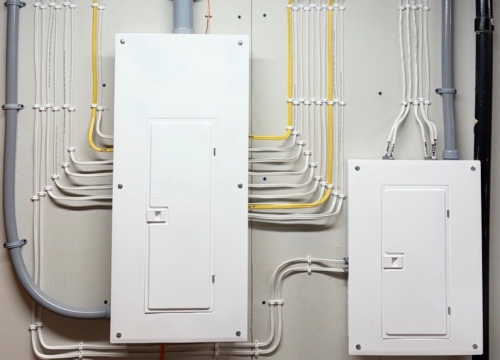
The most common question is whether your panel needs to be upgraded to support a Level 2 EV charger. This depends on your home’s current electrical load, the size of your panel, and whether there’s enough capacity to safely add a dedicated circuit.
In some homes, the existing panel can support an EV charger without issue, while in others, it may already be near capacity. Sandiparks Electrical determines this during the EV assessment stage by completing a full load assessment, reviewing your home’s current power usage, major appliances, and available panel capacity to confirm if the charger can be safely added.
At Sandiparks Electrical, we offer both EV charger installation and panel upgrades as part of our residential services, which is logical since the two are often used together. Once the initial assessment is complete, we discuss our findings with you, including whether your current panel can support the charger or if a panel upgrade is recommended.
If a panel upgrade is required, we’ll discuss it with you in advance—before any work begins—so you clearly understand the scope and associated costs. While it may increase the overall project cost, it also improves safety, reduces the risk of overloading, and helps future-proof your home for additional electrical needs.
Do I Need an ESA Permit for an EV Charger in Ontario?
Homeowners don’t need to worry about ESA permits whe installing an EV charger with Sandiparks Electrical. We include the required ESA permit in our quoted pricing and handle the entire process for you, including scheduling all inspections. Because EV charger installations involve new electrical work and added load, code compliance is essential—another reason to work with a licensed electrician like Sandiparks Electrical, where everything is managed professionally from start to finish.
The electrical side of an EV charger installation is complex and must be carefully planned. Charging isn’t like plugging in a small appliance—it draws significant power over long periods. That’s why the circuit design, breaker selection, and wiring all need to be properly sized and installed to ensure safe, reliable operation.
Sandiparks Electrical can assist you with the process and ensure the work is done right. From planning to installation, every step is handled with care to give you a reliable, long-term charging solution for your home.
What Affects EV Charger Installation Cost?
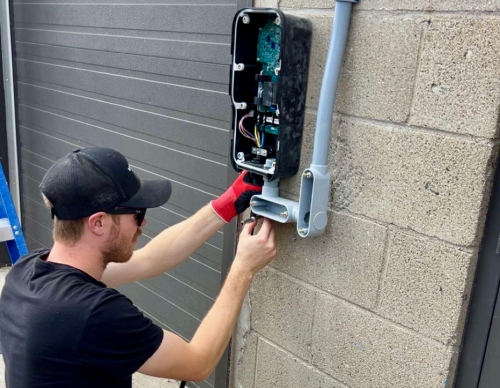
The cost of EV charger installation includes more than just the charger itself, and at Sandiparks Electrical, we make the process clear and straightforward from the start. Your quote takes into account key factors like the location of the charger, your panel’s capacity, and the setup needed for your home—so you know exactly what to expect, with no surprises along the way.
Every installation is unique, so the overall scope depends on factors like the charger location, your home’s electrical capacity, and the routing required for wiring. At Sandiparks Electrical, these details are assessed upfront and clearly outlined in your quote, so you have a complete understanding of the project before any work begins.
If you’re searching for “EV charger installers near me,” getting a quote from Sandiparks Electrical is a great place to start. We provide a clear, detailed assessment that covers scope, safety, and the specific needs of your home—so you can move forward with confidence knowing everything has been properly planned from the beginning.
What Should Be on an EV Charger Safety Checklist?
An effective EV charger safety checklist can help homeowners make better decisions before installation begins. The charger is to be installed in an easy-to-reach location from the parked car, with no cable hazards and no inconvenient daily use.
Your home’s electrical system needs to be properly assessed before installing an EV charger, and that’s where a licensed electrician comes in. At Sandiparks Electrical, we evaluate your panel capacity, determine the correct circuit and breaker size, and plan a safe wiring path. We also ensure the installation location is suitable—especially for outdoor setups—so everything is installed safely and up to code.
A good EV charger installation checklist Ontario homeowners can use should include:
- charger location and cable reach
- panel capacity and breaker space
- dedicated circuit planning
- wiring route and wall access
- indoor or outdoor exposure
- proper mounting and final testing
- homeowner guidance after installation
How Do You Choose the Right Installer?

Sandiparks Electrical is a licensed electrical company with residential installation experience, clear communication, and a strong understanding of load assessments and panel capacity—ensuring your EV charger installation is handled safely and professionally from start to finish.
Sandiparks Electrical serves homeowners in Southwestern Ontario and offers residential electrical services, EV charger installation, and panel upgrades. Our website also shows EV chargers working on its projects page and images of past EV installations.
When choosing the best EV charger installers, look for a team that explains the process clearly, reviews your home’s actual needs, and focuses on safe, code-compliant work. A dependable EV charger installation company should make the process easier, not more confusing.
Conclusion
A smart plan is a good starting point for your home’s charging system. Factors to consider before you install an EV charger at home include your driving habits, the charger’s speed, the panel capacity, and the most secure place to use it every day. Reviewing the differences between level 1 and level 2 charging in Ontario homes, the cost of EV charger installation, and whether your house will require a panel upgrade can help you avoid issues in the future.
Sandiparks Electric provides residential EV chargers, panel upgrades, and code-compliant electrical services in Southwestern Ontario.
Need a trusted team for EV charger installation? Contact us today for a safe, code-compliant home charging setup built for your needs.
Frequently Asked Questions
How much does EV charger installation cost?
The installation cost of EV chargers varies based on the charger type, panel size, wiring distance, and the need for upgrades. At Sandiparks Electrical, your quote is based on a full assessment of your home and the actual installation conditions, ensuring it accurately reflects the work required for your setup.
Do I need an ESA permit for an EV charger in Ontario?
Yes, a permit is required. Sandiparks Electrical handles the permit and inspections with ESA.
Do I need a panel upgrade for a Level 2 EV charger?
The answer depends on your panel capacity, available breaker space, and the overall household load. A licensed electrician should assess your system before installation.
What is better for an Ontario home: Level 1 or Level 2 charging?
The decision between Level 1 vs Level 2 Ontario home charging will depend on how much you drive and how quickly you would like to charge. Level 1 is suitable for light use, while Level 2 is more convenient for everyday charging.
How do I choose the best EV charger installers?
When comparing the best EV charger installers, look for licensed electricians with residential experience, clear communication, and knowledge of panel upgrades and load assessment. Sandiparks Electrical has got you covered
Can I install an EV charger at home without professional help?
Installing an EV charger at home should be done by a licensed electrician in the safest way possible. Professional installation supports safe wiring, proper breaker sizing, and better long-term reliability.
What should Ontario homeowners prepare before an EV charger installation?
Before an EV charger installation, it helps homeowners be prepared with a few key details so the visit is smooth and efficient. This includes deciding where you would like the charger installed, identifying the type of vehicle you plan to charge, and ensuring there is clear access so the electrician can view the route from the chosen installation point to the electrical panel. Having this information ready allows Sandiparks Electrical to properly assess your setup and recommend the best installation approach during the visit.
How do I find EV charger installation near me?
When you are looking to have an EV charger installed and asking yourself, “Where can I find EV charger installation near me, or EV charger installers near me,” you should begin with licensed local electricians such as Sandiparks Electrical that handle residential charger installation, load assessment, and panel upgrades.